The Common Water Mistake Many Crystal Owners Make
One of the most common questions I receive from people who keep crystals is, "My crystal has become dusty. Can I simply wash it under water?" And the answer is not always yes.
If you spend any time online, you will see rituals involving running water, bowls of water, salt water and Moon Water. It looks simple, and it looks safe. But not every crystal should be exposed to water in the same way.
Depending on the mineral a crystal is made from and its physical properties, repeated or prolonged moisture exposure can affect its surface appearance, its polish, its delicate internal structure and, for some minerals, its long-term stability.
The same method that cleans one crystal can slowly damage another.
In this guide, I want to walk you through which crystals should never go in water, why water affects some minerals differently than others, how to tell the difference between physically cleaning a crystal and energetically cleansing it, what to do about salt water and a simple checklist you can use before you ever put a crystal near water again.
Why Can Water Damage Some Crystals?
Crystals are not all made the same way. They come from different minerals, and different minerals respond to moisture in very different ways. Here is what I want every crystal owner to understand.
- Some crystals are soft. Delicate surfaces can be scratched, dulled or worn down through repeated handling and exposure.
- Some minerals are water-soluble or moisture-sensitive. Certain mineral compositions can slowly deteriorate or change in appearance when they are repeatedly exposed to water.
- Water can enter cracks, layers and delicate structures. This is particularly unsuitable for fragile or layered specimens, where moisture can work its way in over time.
- Some minerals react with moisture. Certain minerals, especially those containing iron, can oxidise, tarnish or develop surface changes when they stay wet.
- Salt water can create additional problems. Salt residue combined with prolonged exposure is especially unsuitable for delicate or porous minerals.
Here is a line I want you to remember: just because your crystal survives being washed once does not necessarily mean repeated water exposure is safe for it. A single rinse might look harmless. It is the repetition, the soaking and the neglect afterward that causes the real damage over time.
My Crystal Is Dusty. Can I Just Wash It?
This is such a real, everyday problem. Crystals kept on altars, work desks, shelves, bedside tables and prayer spaces naturally collect dust. The first instinct is almost always the same: "Let me just rinse it under water."
Before you do that, pause and ask yourself what mineral your crystal is actually made from. This is where I want to introduce one of the most important ideas in this entire article.
Physical cleaning and energetic cleansing are two different things.

Physical cleaning simply means removing dust and dirt from the surface of your crystal. Energetic cleansing is a crystal-care practice used to refresh or reset the energy of a crystal. You do not need to use water for either purpose in every case.
For water-sensitive crystals, here are safer alternatives:
- A soft, dry microfiber cloth for everyday dusting
- A soft brush for carvings, points and small crevices
- A gentle air blower for loose dust on delicate pieces, where appropriate
- Avoiding soaking completely
- Never leaving a crystal submerged and forgotten
This alone can save you from years of accidental damage.
Crystals You Should Never Put in Water
The level of risk here can depend on the mineral, the condition of the specimen, whether it has been treated in any way, and how long it is actually exposed to water. This is not a list where every crystal will crumble the moment a drop touches it. It is a list of crystals that deserve extra caution and, generally speaking, are safer kept dry.
Selenite

Why it should stay away from water: Selenite is a soft mineral with a delicate, fibrous surface.
What repeated or prolonged exposure may do: Water can dull its shine, damage its surface and, over time, cause it to break down.
How to clean it instead: A soft, dry cloth or soft brush is all you need.
Never soak your Selenite plate, wand or tower in water. This matters even more because so many people use Selenite plates every day to charge and cleanse their other crystals.
Explore Selenite Plates and Crystal Charging Tools
Pyrite

Why it should stay away from water: Pyrite contains iron and sulphur.
What repeated or prolonged exposure may do: Moisture can contribute to oxidation and surface changes, dulling its natural metallic shine.
How to clean it instead: If you keep Pyrite on your work desk or in your wealth corner, gently dust it with a dry cloth instead of washing it.
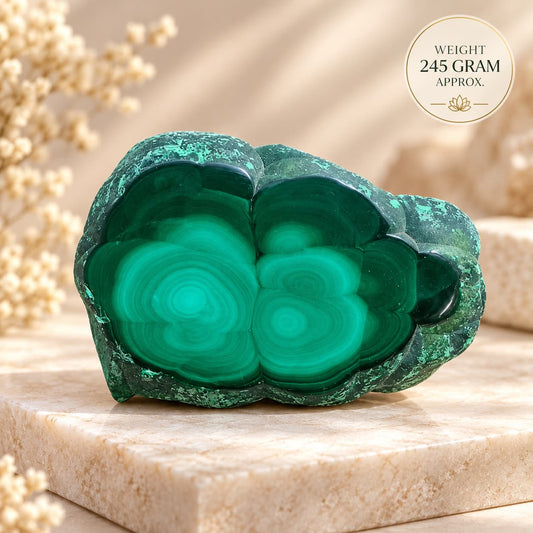
Malachite

Why it should stay away from water: Malachite is a copper-based mineral with a naturally soft, banded surface.
What repeated or prolonged exposure may do: Soaking can affect its polish and, over time, its structural integrity.
How to clean it instead: Stick to dry cleaning methods and avoid letting it sit in water at all.
Azurite

Why it should stay away from water: Azurite is another delicate, copper-based mineral.
What repeated or prolonged exposure may do: Prolonged moisture exposure is best avoided, as it can affect the stone's surface over time.
How to clean it instead: Gentle, dry care is always the preferable route with Azurite.
Lepidolite

Why it should stay away from water: Lepidolite has a layered, almost flaky structure.
What repeated or prolonged exposure may do: Repeated moisture exposure is not recommended, as water can work its way between the layers.
How to clean it instead: A soft dry brush is a practical and safe alternative.
Angelite

Why it should stay away from water: Angelite's surface and mineral structure require gentle handling.
What repeated or prolonged exposure may do: Soaking and prolonged water exposure should be avoided, as it can affect the stone over time.
How to clean it instead: A dry cloth or soft brush works well here too.
Calcite (Orange, Green, Blue, Honey and Other Varieties)

Why it should stay away from water: Many Calcite varieties are relatively soft stones.
What repeated or prolonged exposure may do: Soaking can affect the surface, polish and delicate structure of the stone.
How to clean it instead: A dry cloth is the safest choice for keeping your Calcite pieces looking their best.
Fluorite

Why it should stay away from water: Fluorite is a relatively delicate mineral.
What repeated or prolonged exposure may do: Long soaking and repeated, unnecessary exposure can affect its surface over time.
How to clean it instead: Gentle, dry cleaning practices are the way to go.
Hematite

Why it should stay away from water: Hematite contains iron.
What repeated or prolonged exposure may do: Moisture can contribute to oxidation or surface changes, which is worth knowing especially if you wear Hematite bracelets often.
How to clean it instead: Avoid soaking it or leaving it wet. A dry cloth after handling is usually enough. Explore Our Crystal Collection →
Labradorite and Other Delicate Stones

This is where I want to give you a broader caution. Not every polished crystal should automatically be washed. Internal structures, natural fractures, treatments and the way a stone has been polished can all affect how it should be cared for. Identification really does matter here, and when you are not sure, it is always safer to treat a stone as delicate until you know otherwise.
What About Salt Water? Is Salt Water Cleansing Safe?
Salt water cleansing is one of the most popular crystal cleansing methods you will see online. But a popular method is not automatically suitable for every crystal.
Salt water can create additional concerns because salt residue can remain in cracks and crevices, salt can affect delicate surfaces over time, some minerals are sensitive to any prolonged moisture, and soft or porous crystals require extra caution.
Never assume that a crystal is safe in salt water simply because it appears to tolerate regular water.
Crystals such as Selenite, Pyrite, Malachite, Angelite, Calcite, Lepidolite and Hematite should not be placed in salt water. If salt water cleansing is part of your practice, save it only for crystals you have confirmed can handle it, such as many quartz varieties and other hard, water-safe stones.
If You Are Not Sure, Avoid Water
When in doubt, keep your crystal dry.
There are thousands of minerals and crystal varieties in the world, and a crystal may also have treatments, coatings, fillings, delicate fractures, mixed mineral composition, dye or other surface enhancements that you cannot see just by looking at it.
This becomes especially important if your crystal was a gift, bought without proper identification, purchased from an unknown source, or not labelled correctly at the time of purchase.
Do not put an unidentified crystal in water until you have confirmed how it should be cared for. It takes only a few minutes to look into a crystal's properties, and that small step can protect a piece you may have had for years.
Explore Our Crystal Guides and Learning Resources
So How Should You Clean and Cleanse Your Crystals Instead?
For Physical Cleaning
A soft dry cloth is suitable for gently removing everyday surface dust. A soft brush is useful for carvings and small crevices where dust likes to settle. Gentle air cleaning works well for loose dust on delicate pieces, where appropriate.
The safest cleaning method really does depend on the mineral in front of you, which is why identification always comes first.
For Spiritual or Energetic Cleansing
These are practices many crystal owners use to refresh or reset their crystals, and none of them require water.
Moonlight: Place your crystals in moonlight according to your personal practice.
Incense or smoke cleansing: Use incense, sage or palo santo safely and according to your own practice.
Sound cleansing: A bell, a singing bowl or a mantra can all be used to reset a crystal's energy.
Selenite: Place suitable crystals near or on a dry Selenite charging plate.
Intention: Simply hold the crystal in your hands and consciously set your intention for it.
Energetic cleansing does not always require water.
Discover Crystal Cleansing Essentials
Common Water Mistakes Crystal Owners Make
- Leaving crystals in water overnight. Even water-safe crystals are usually meant for brief contact, not extended soaking.
- Soaking a crystal because someone online recommended it. Not every trending ritual is suitable for every stone.
- Using salt water without checking the mineral first. This is one of the most frequent mistakes I see.
- Washing every dusty crystal automatically. Dust does not always call for water; a dry cloth is often enough.
- Assuming every tumbled stone is water-safe. Tumbling changes the shape, not the mineral itself.
- Putting crystal jewellery directly into water. Bracelets and pendants often combine crystals with metal findings, elastic or glue, all of which can be affected by moisture.
- Forgetting that repeated exposure matters. One rinse may look fine, but repeated exposure over months or years adds up.
- Using hot water. Temperature changes can be just as stressful to a crystal as moisture itself.
Before Putting Any Crystal in Water, Ask These Questions
Save this checklist for the next time you are unsure.
- Do I know exactly what crystal this is?
- Have I checked whether its mineral composition is water-safe?
- Is it soft, porous or layered?
- Could moisture affect the minerals it contains?
- Is it treated, coated or dyed?
- Does it have visible cracks or delicate areas?
- Am I planning to soak it or expose it repeatedly?
If you're unsure, choose a dry cleaning method.
A Few Real-Life Examples
The dusty Selenite plate. Someone keeps a Selenite plate on their altar and notices it has gathered dust. Instead of rinsing it, a soft dry cloth restores its surface without any risk.
Pyrite on a work desk. Someone uses a Pyrite cluster in their workspace and notices it looking dull. A gentle dusting with a dry cloth or soft brush keeps it clean without exposing it to moisture.
Crystal reference guides such as Judy Hall's The Crystal Bible also emphasise that different crystals require different methods of care, which is exactly the mindset I want you to carry forward.
I always believe that crystals do not need complicated rituals every day. What matters most is understanding the crystal you have and caring for it in a way that respects its nature.
Before following any cleansing method you see online, pause and ask whether it is actually suitable for your crystal.
Not every crystal belongs in water. When you are unsure, keeping it dry is often the safest choice.
If you would like to build a collection you can trust and care for with confidence, I invite you to explore our range of authentic, energized, high-vibrational crystals at shop.drneetikaushik.com. Every piece is chosen with the same care I hope you will now bring to your own crystal collection.
Shop Authentic Crystals and Crystal Care Essentials
Frequently Asked Questions
- Which crystals should never go in water? Crystals such as Selenite, Pyrite, Malachite, Azurite, Lepidolite, Angelite, Calcite and Hematite are generally best kept away from water. Their softness, layered structure or mineral content makes them prone to surface damage, oxidation or deterioration when exposed to repeated or prolonged moisture.
- Can I wash my crystals with water? Some hard, stable crystals can tolerate brief contact with water, but many cannot. Before washing any crystal, confirm what mineral it is made from. If you are unsure, a dry cloth or soft brush is always the safer choice.
- Can Selenite go in water? No. Selenite is a soft, delicate mineral that can be damaged by water exposure, including dulling of its surface and breakdown of its structure over time. Always clean Selenite with a soft, dry cloth instead.
- Is salt water safe for crystals? Not for every crystal. Salt residue can remain in cracks and crevices, and prolonged exposure can affect delicate or porous minerals. Crystals like Selenite, Pyrite, Malachite and Calcite should never be placed in salt water.
- How do I cleanse crystals without water? You can cleanse crystals using moonlight, incense or smoke, sound from a bell or singing bowl, a dry Selenite charging plate, or simply by holding the crystal and setting a clear intention. None of these methods require water.
- What should I do if I don't know whether my crystal is water-safe? When you are unsure what a crystal is made of, avoid water completely and choose a dry cleaning method instead. Confirming a crystal's identity first can prevent accidental, irreversible damage.
- Can I wash crystal jewellery? Crystal bracelets and pendants often combine stones with metal findings, elastic cord or glue, all of which can be affected by water. It is safer to wipe crystal jewellery with a soft, dry cloth rather than submerging it.
References & Sources
For crystal properties, traditional uses and care practices, this guide draws on well-established crystal reference works, including:
- Judy Hall, The Crystal Bible
- Judy Hall, The Crystal Bible, Volume 2
- Melody, Love Is in the Earth
- Katrina Raphaell, Crystal Enlightenment
- Robert Simmons and Naisha Ahsian, The Book of Stones
For information on mineral composition, hardness and moisture sensitivity, general guidance was cross-checked against publicly available mineralogical references, including geological databases and museum mineral collections, to ensure the physical properties described are accurate and not exaggerated.
This article reflects both this established crystal literature and my own hands-on experience of over seven years working with crystals, so that the guidance here is practical as well as informed.